So you want to visit Tenerife? It is the island most first time visitors to the Canaries choose, and it earns that position.
You can stand in the queue for the Mount Teide cable car in the morning, surrounded by coach parties, then be sitting by a working harbour in a town that still smells of the day’s catch a couple of hours later. Tenerife rewards visitors who move around it. Stay on one resort strip for the week and you will see only a fraction of what makes the island worth the flight.
AT A GLANCE
Capital of the island
Santa Cruz de Tenerife.
Language
Spanish.
Currency
Euro.
Flight time from the UK
Around four to four and a half hours.
Best time to visit
All year round, with April to June the quietest months.
Time difference
None. The Canary Islands share the UK’s time zone year round, since clocks change on the same dates in both places.
Climate and Weather
Tenerife has one of the mildest year-round climates in Europe, which is why it draws winter sun visitors as readily as summer holidaymakers. July and August are hottest and busiest, particularly around the southern resorts. For fewer crowds and comfortable walking weather, spring and early autumn are worth considering.
Getting There
Direct flights run from most major UK airports to Tenerife South, with a typical flight time of four to four and a half hours. Budget and charter carriers serve the route year round, and prices are generally lowest outside the school holiday periods.
Where to Stay
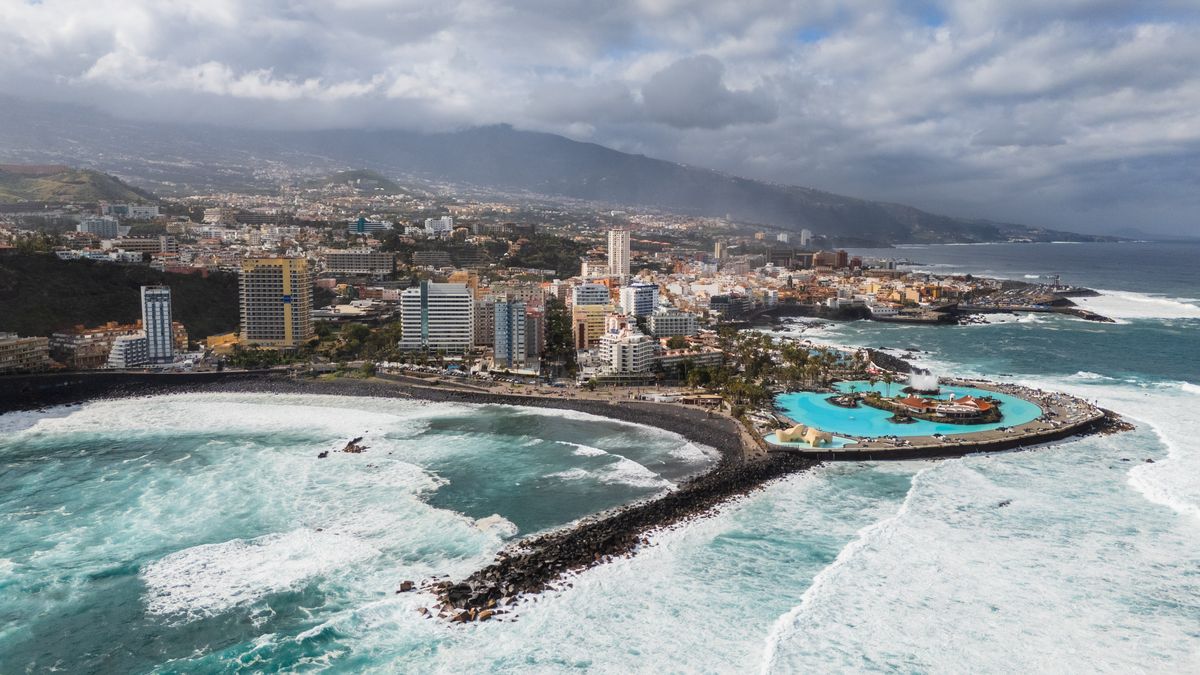
Costa Adeje is the newer and glossier of the two big southern resorts, built up the hillside with newer promenades and higher end hotels. Los Cristianos, right next door, began life as a fishing village and still has a working harbour at its centre, which gives it a more lived in, local feel even though it is just as set up for tourism. Puerto de la Cruz in the north trades some guaranteed sunshine for a quieter, more traditional Canarian town with a noticeably cloudier microclimate.
TOP TEN THINGS TO DO
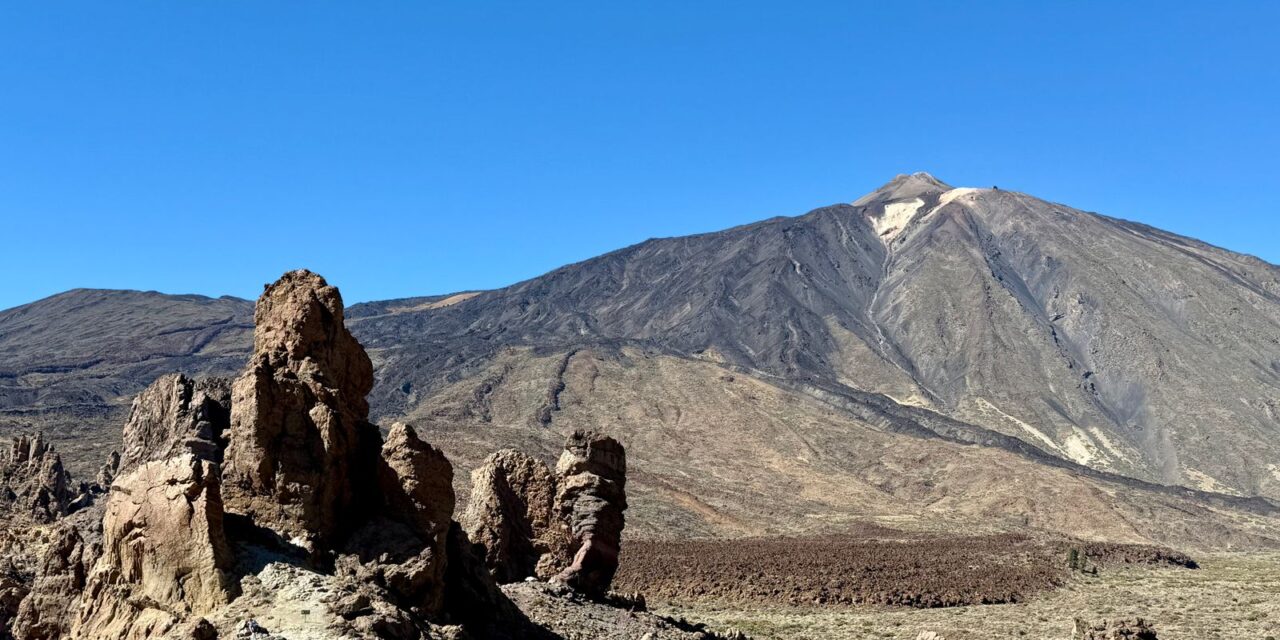
Mount Teide Cable Car
Ride on one of the first departures, between 9am and 11am, when the queues are shortest and the crater views are clearest before cloud builds later in the day. A free permit, booked in advance, is needed to walk the final stretch to the true summit.
La Laguna
Explore the old town, a UNESCO World Heritage site whose grid of streets and colonial era buildings has changed little since the 16th century.
Playa Jardin
Spend a day on the black sand in Puerto de la Cruz, a beach designed by the Canarian artist Cesar Manrique. Take sandals, the volcanic sand holds heat and can be uncomfortable underfoot by midday.
Whale and Dolphin Watching
Take a boat trip from Los Gigantes or Costa Adeje. The strait between Tenerife and La Gomera holds a resident population of pilot whales and dolphins that live there year round, so sightings are close to guaranteed, though the operator still makes a difference to the experience.
The Botanical Gardens
Wander the gardens in Puerto de la Cruz, founded in 1788 on the orders of King Carlos III as a stop off point to acclimatise tropical plants before they were shipped on to Madrid.
Siam Park
Cool off at the water park in Costa Adeje, which has repeatedly been named the world’s best water park in TripAdvisor’s Travellers’ Choice awards.
Anaga Rural Park
Walk the ancient laurel forests in the island’s northeast, one of the last substantial remnants of the laurisilva forest that once covered much of southern Europe before the last ice age.
Mercado Nuestra Senora de Africa
Browse the fish and produce stalls in Santa Cruz, the island’s main market and a better guide to what islanders actually eat than any resort menu.
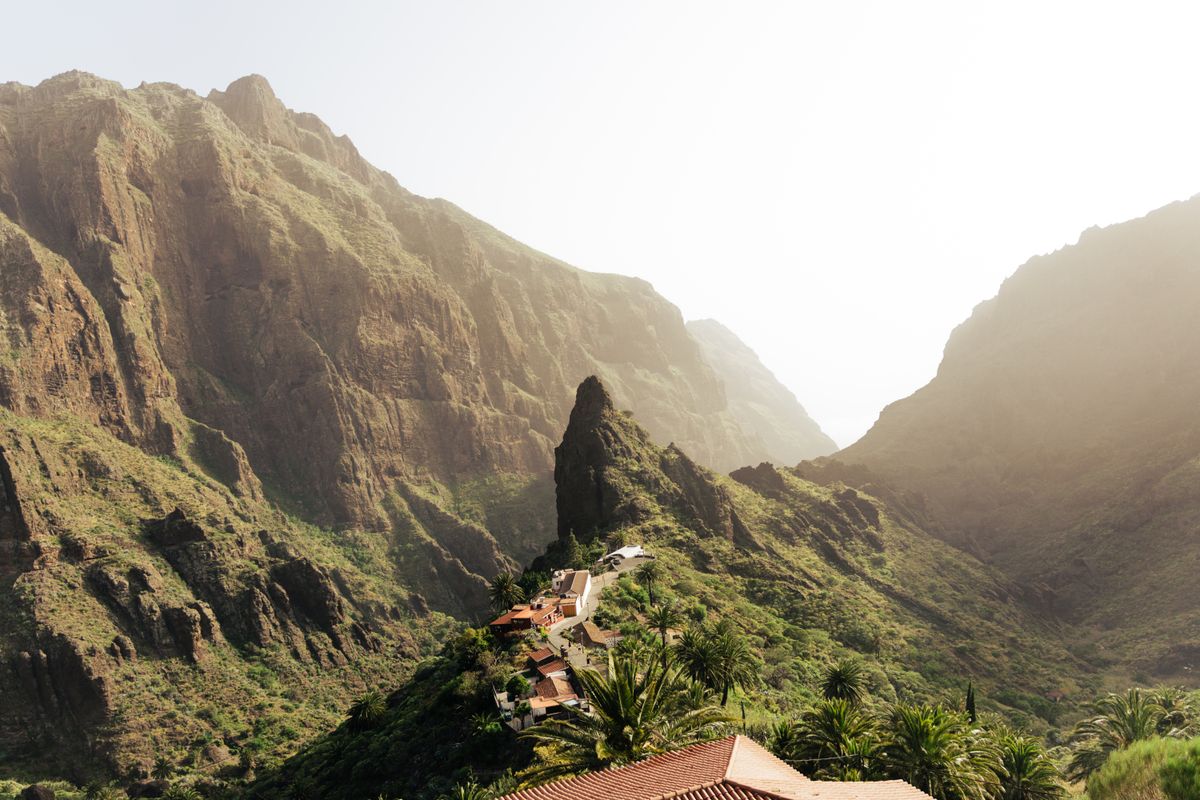
Masca Gorge
Visit the village and, if you plan to walk down through the gorge, book your permit and boat transfer well in advance. It is no longer possible to simply turn up and hike, the route is now controlled with timed entry, a compulsory shuttle bus and a boat out from the beach.
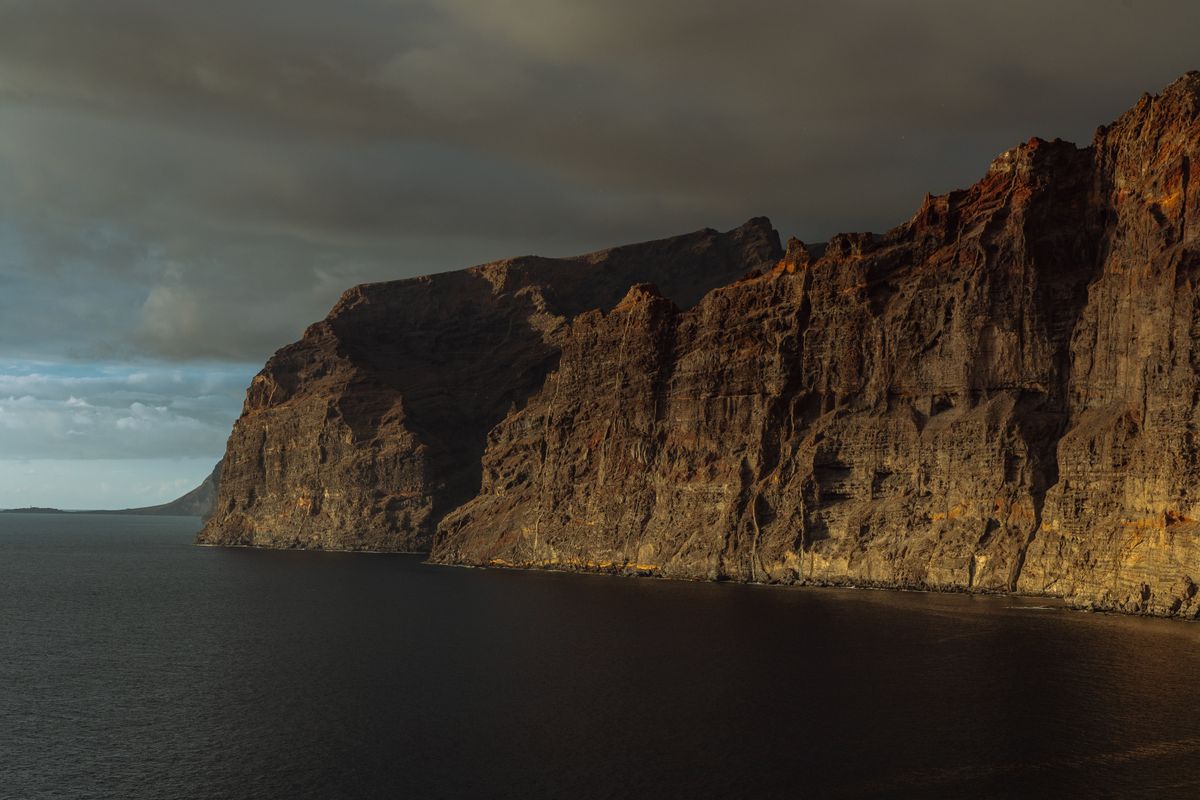
Los Gigantes and the Teno Coast
Snorkel or dive off the cliffs, which drop several hundred metres straight into deep, clear water close to shore.
Getting Around
A hire car is the easiest way to see the island beyond the resorts, with well-maintained roads and toll-free motorways linking north and south. A public bus network, run by Titsa, also connects the main towns for those without a car.
Practical Tips
UK passport holders do not need a visa for stays of up to ninety days. Entry rules for Europe are changing, though, so check the latest Foreign Office advice for Spain before you travel. Tenerife is generally considered safe for tourists, with the usual precautions around belongings in busy resort areas. Tipping is appreciated but not obligatory, with ten per cent a fair guide in restaurants.
Travel Life Tips!
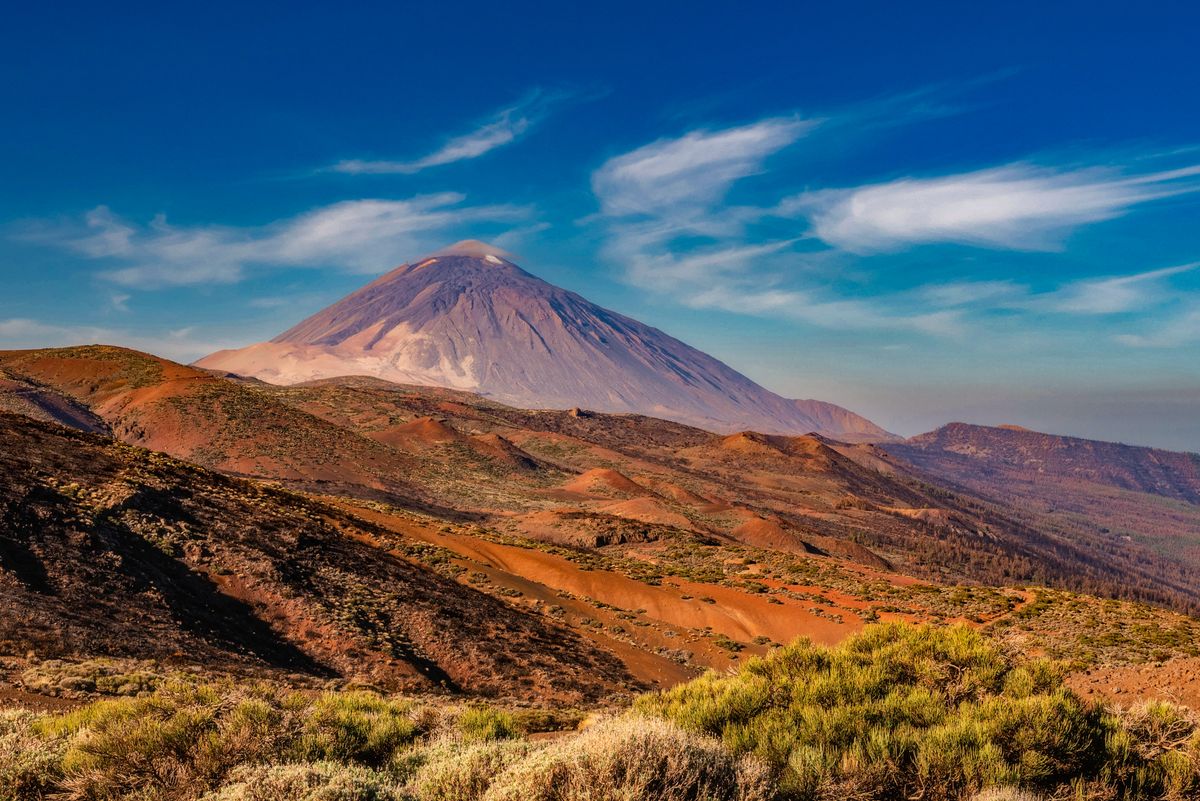
Mount Teide splits the island’s weather in two. Its bulk blocks the trade wind clouds from crossing, which is why the south around Costa Adeje and Los Cristianos tends to stay dry and sunny while the north around Puerto de la Cruz can be cloudier on the very same day.
Book It
See our Canary Islands Travel Guide for the full archipelago, and our guides to Gran Canaria, Lanzarote and Fuerteventura for more of the islands.
…
Flying from Wales?
Tenerife is one of the direct routes in our Cardiff Airport Expands Routes story.
…