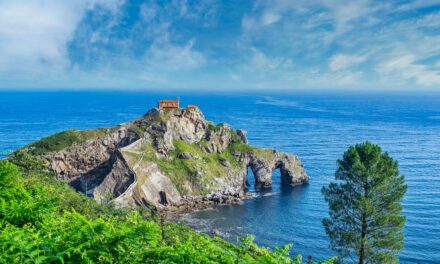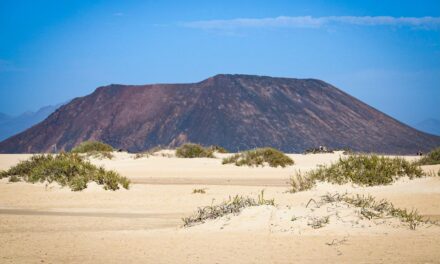
So you want to visit the Canary Islands? Seven main islands sit in the Atlantic off the coast of Africa, closer to Morocco than to mainland Spain, yet each one looks and feels different from the next.
Tenerife is built around a volcano, Gran Canaria packs a continent’s worth of landscape into one island, Lanzarote looks like nowhere else on Earth thanks to one artist’s vision, and Fuerteventura is all wind, dunes and empty beaches. This guide brings together everything Travel Life has covered so far, with a full guide to each island a click away.
AT A GLANCE
Capital of the islands
Santa Cruz de Tenerife and Las Palmas de Gran Canaria share the role, the only twin capital arrangement in Spain.
Language
Spanish.
Currency
Euro.
Flight time from the UK
Around four to four and a half hours to any of the islands.
Best time to visit
All year round, though each island has its own microclimate.
Time difference
None. The Canary Islands share the UK’s time zone year round, since clocks change on the same dates in both places.
Climate and Weather
As a rule, the westerly islands, Tenerife and Gran Canaria among them, are greener and more varied, while the easterly islands, Lanzarote and Fuerteventura, sit closer to the Sahara and are drier, flatter and windier. All four islands covered in this guide share the same reliable winter sun that has made the archipelago a year round destination.
Getting There
Direct flights run from most major UK airports to each island’s own airport, with a typical flight time of four to four and a half hours. Budget and charter carriers serve all four islands year round, and prices are generally lowest outside the school holiday periods.
CHOOSE YOUR ISLAND
Tenerife
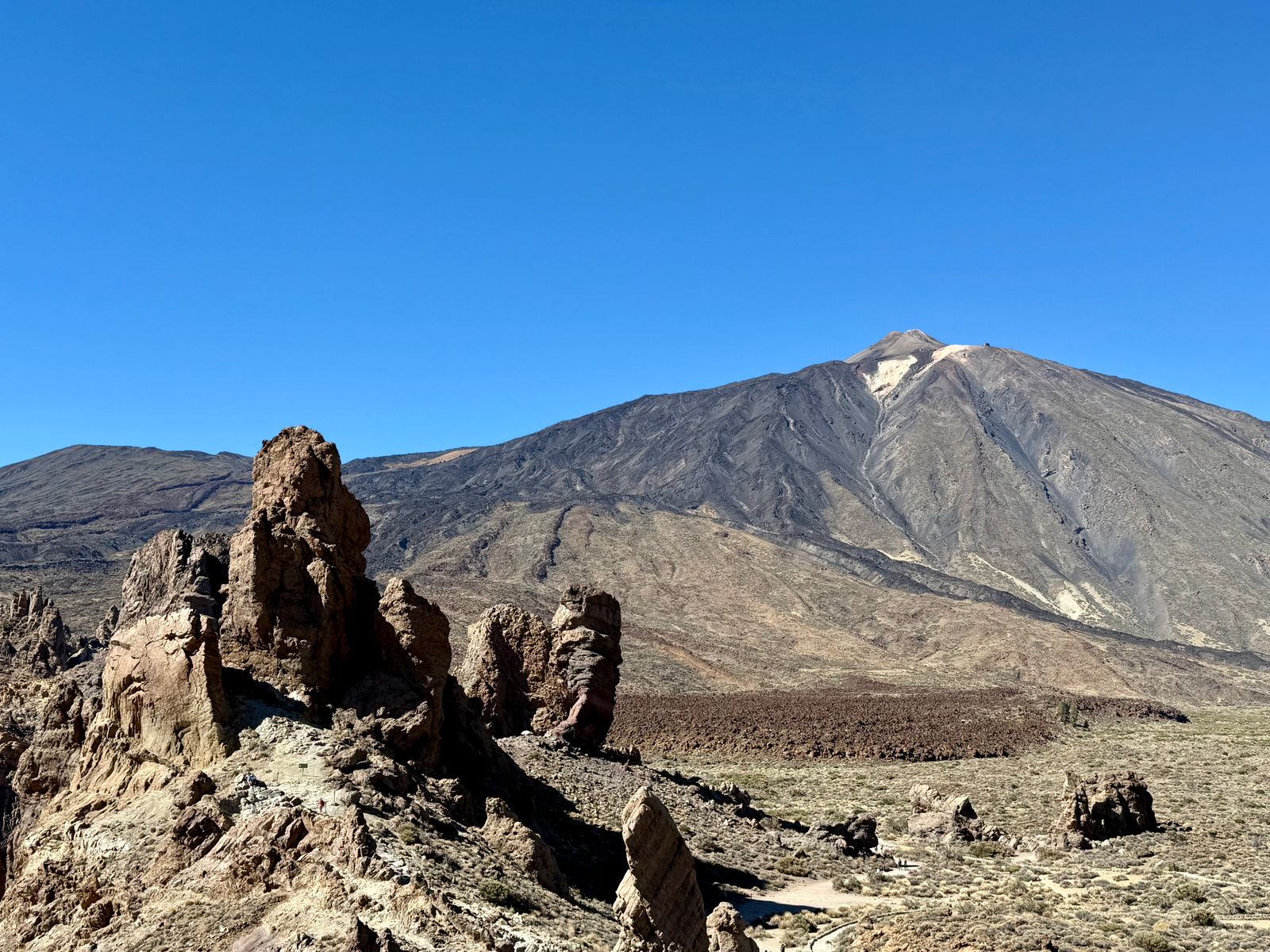
The largest and most visited island, built around Mount Teide, Spain’s highest peak. Expect volcanic hiking, black sand beaches and resorts ranging from the lively south coast to the quieter, more traditional north. Full guide: Tenerife Travel Guide.
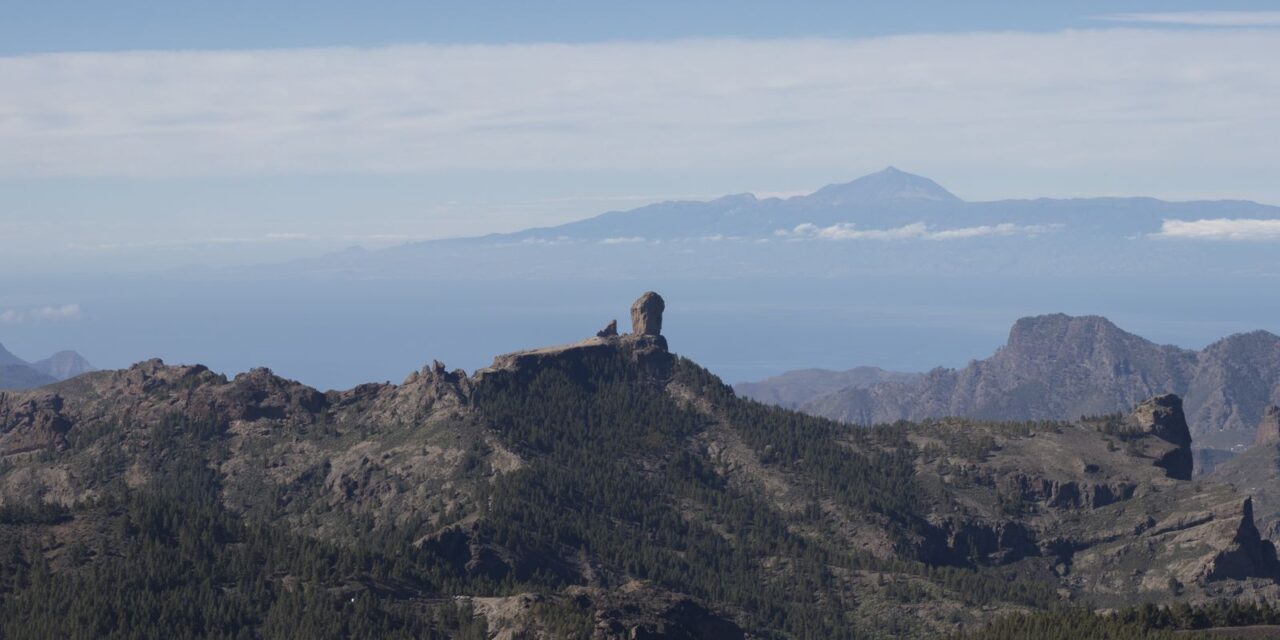
Gran Canaria
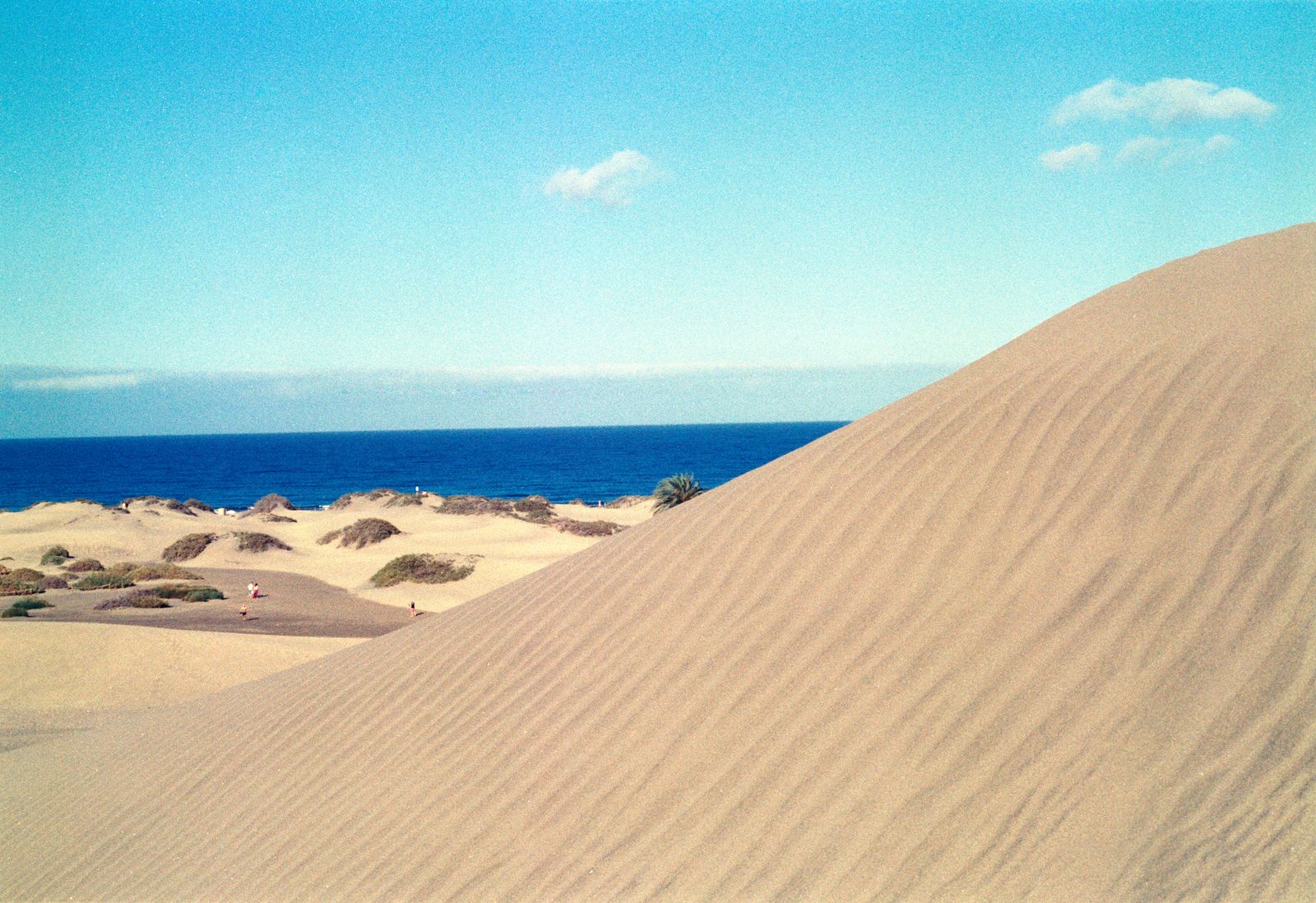
Known as the miniature continent for the sheer range of landscape packed into one island, from the dunes of Maspalomas to pine forest and mountain villages in the interior. Full guide: Gran Canaria Travel Guide.
Lanzarote
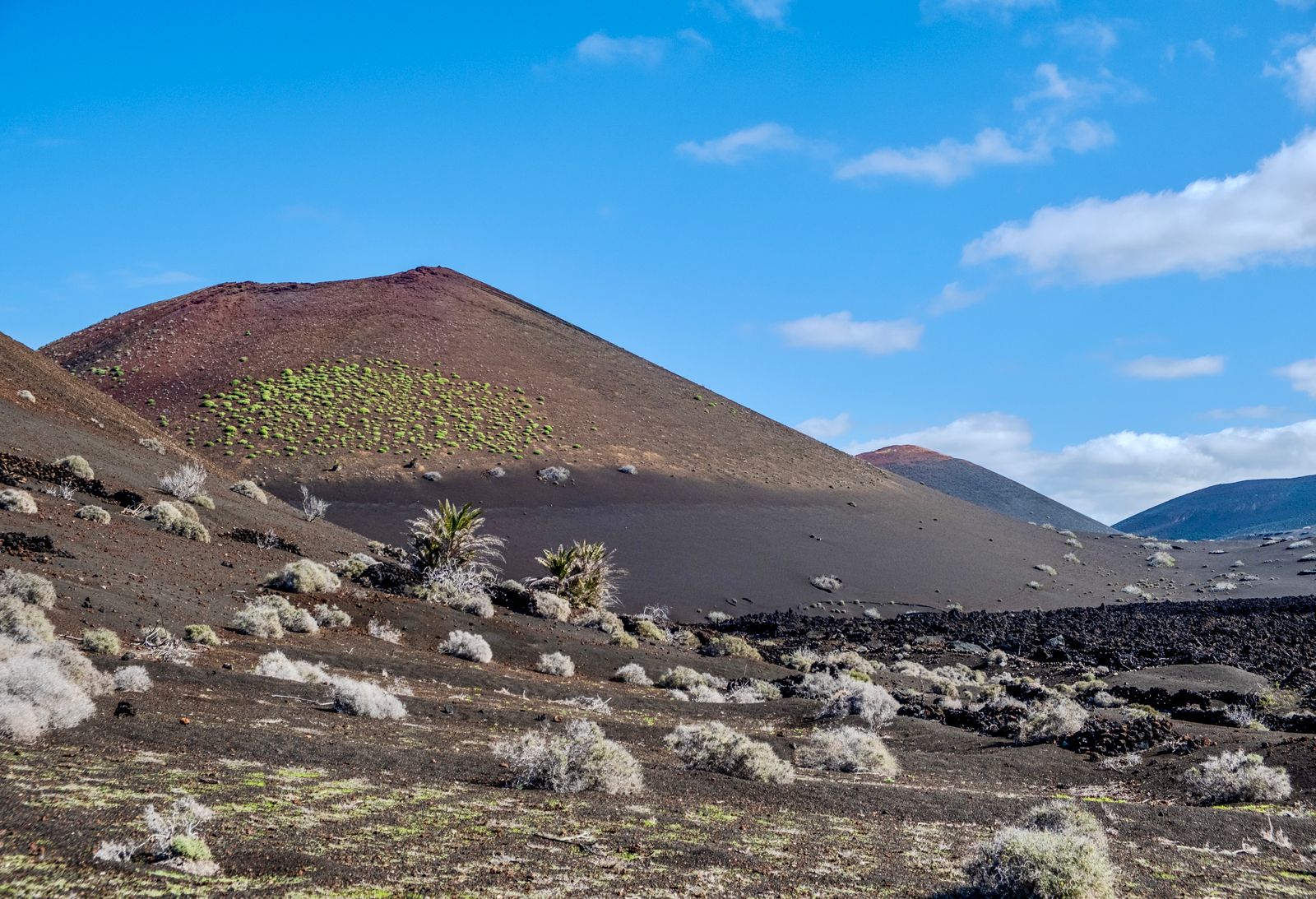
Shaped almost entirely by the vision of one artist, Cesar Manrique, who persuaded the island to ban billboards and high rise buildings. Expect volcanic national parks, vineyards grown in individual pits, and a landscape unlike anywhere else in Europe. Full guide: Lanzarote Travel Guide.
Fuerteventura
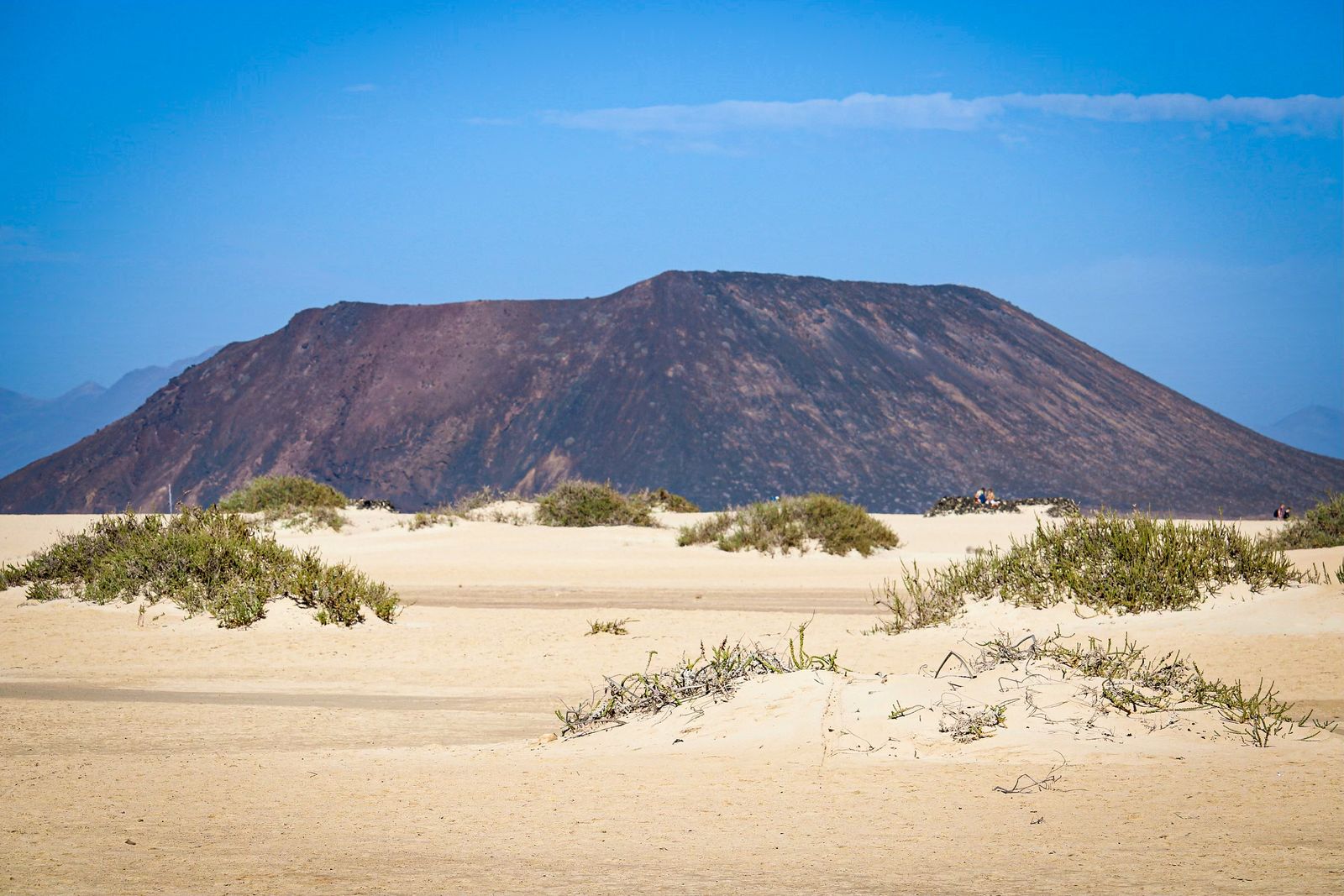
The oldest and driest island, and the closest to Africa, with vast dune fields, some of the best windsurfing and kitesurfing in the world, and more goats than people. Full guide: Fuerteventura Travel Guide.
Famous Sons and Daughters
Cesar Manrique, born in Arrecife in 1919, is the reason Lanzarote looks the way it does, and his influence reaches beyond his home island, he also designed the black sand beach at Playa Jardin on Tenerife. Gran Canaria has its own outsized cultural export in Alfredo Kraus, born in Las Palmas in 1927 and one of the most celebrated opera tenors of the twentieth century, still honoured today by the auditorium that bears his name on the city’s seafront.
Getting Around Between the Islands
Binter Canarias and other airlines run frequent short flights between the islands, while ferry operators including Fred Olsen and Naviera Armas connect them by sea, including the short crossing between Lanzarote and Fuerteventura. Island hopping is straightforward if you want to see more than one on the same trip.
Practical Tips
UK passport holders do not need a visa for stays of up to ninety days. Entry rules for Europe are changing, though, so check the latest Foreign Office advice for Spain before you travel. All of the Canary Islands are generally considered safe for tourists, with the usual precautions around belongings in busy resort areas. Tipping is appreciated but not obligatory, with ten per cent a fair guide in restaurants.
Travel Life Tips!
Spain stayed officially neutral during the Second World War, but the Canary Islands did not stay quiet. Franco leaned towards the Axis in the war’s early years, and the islands became a hotbed of German, British and American intelligence activity. Britain even drew up a real plan, Operation Pilgrim, to seize the islands pre-emptively between 1940 and 1942 in case Franco joined the war and threatened Gibraltar. It was never carried out, but the plans got fairly detailed before the threat passed.
Book It
See our full guides to Tenerife, Gran Canaria, Lanzarote and Fuerteventura for more detail on each island.
…
Prefer mainland Spain?
Head north for pintxos, surf and the Guggenheim in our Basque Country Travel Guide.
…