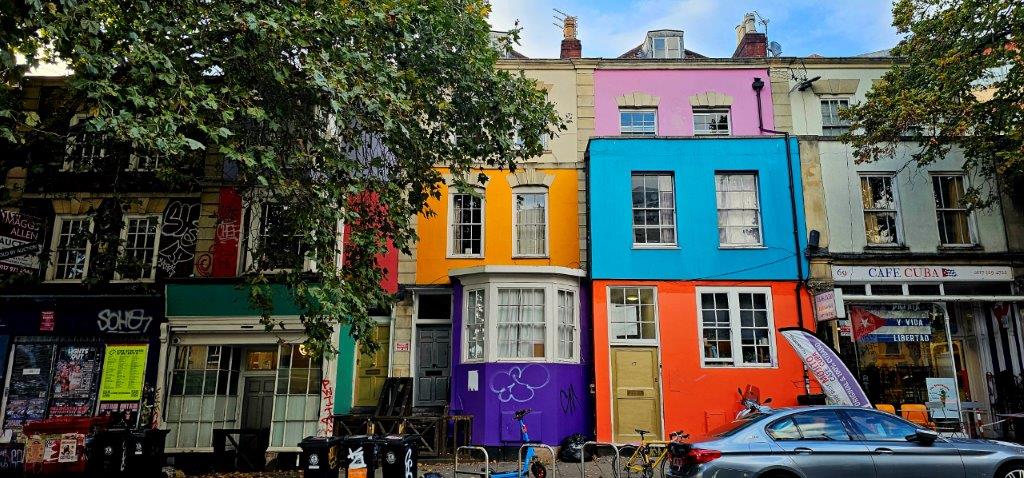
Just over the Severn from South Wales, and a short walk from Bristol’s main shopping streets, is a neighbourhood where almost every wall has been painted, pasted or sprayed. Stokes Croft is loud, scruffy, multicultural and brilliant, and it’s one of the most rewarding urban walks in the West Country.
We spent an afternoon there recently with a camera and no particular plan, and came away with a few hundred photographs and a long list of places to go back to. Here’s what to expect if you go.
Why go
Stokes Croft is Bristol’s alternative quarter, the stretch of road running north from the city centre towards Cheltenham Road, plus the side streets around Jamaica Street. It has been the city’s creative and countercultural heart for decades, and it wears that on its sleeve. Murals cover entire buildings, independent bars and venues fill the old Victorian shopfronts, and you’re as likely to hear three languages on one corner as you are to see a new piece of art going up.
The murals
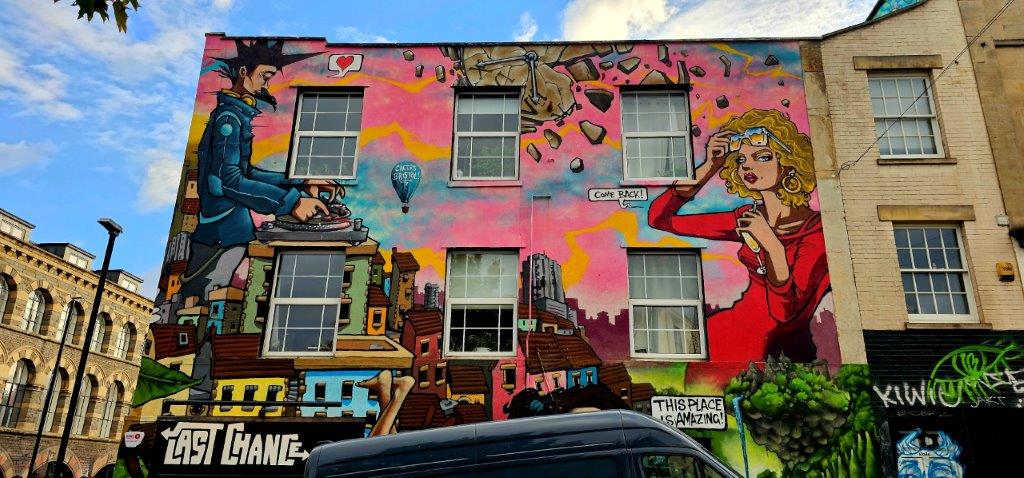
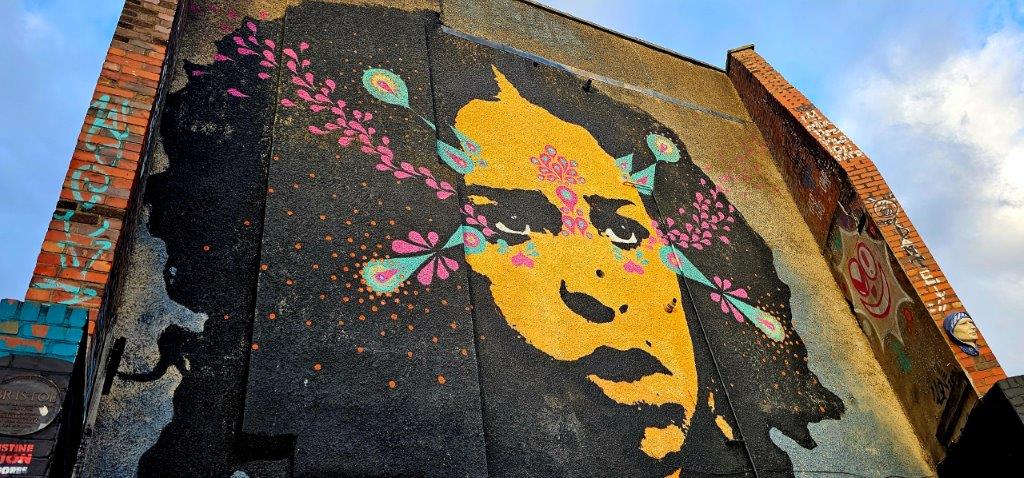
The paintwork is the main event. On the corner of the Last Chance Saloon, the Bristol artist Silent Hobo has covered three storeys with a DJ at the decks, a hot air balloon reading “Cheers Bristol!” and a woman in red calling “Come back!” across the street. A little further on, a giant stencilled face in yellow, pink and teal gazes out over the rooftops, and a whole terraced house has been tiled in oversized phone app icons.
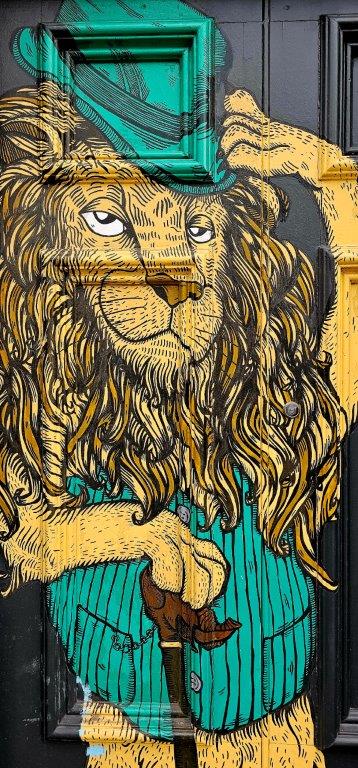
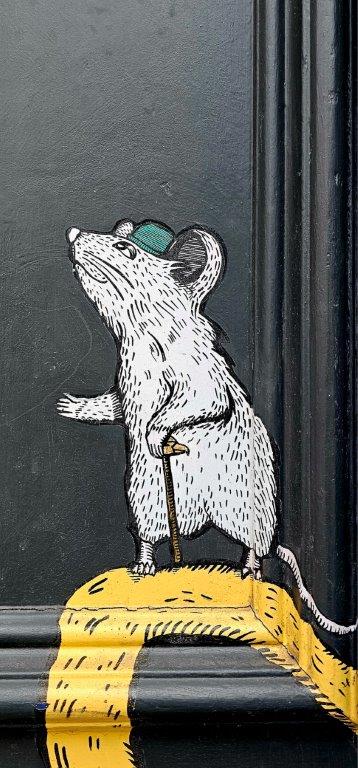
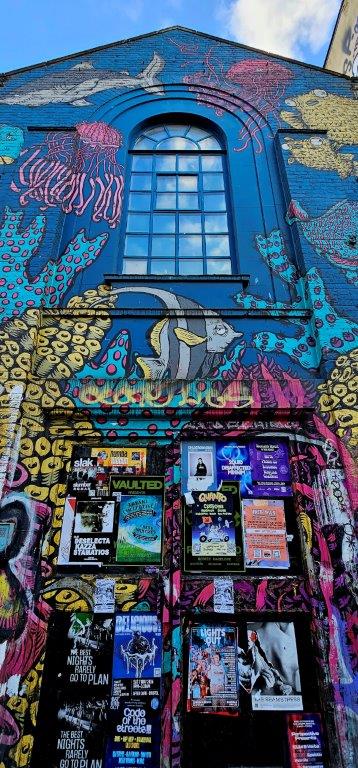
Some of the best pieces are small. Look out for the lion in a top hat and pinstriped waistcoat by Lucas Antics on a door at number 80, and the tiny mouse with a walking cane painted at its foot. At number 68, Alexandra Lucas has turned a brick frontage into a reef, with jellyfish and tropical fish swimming around a tall arched window.
Banksy and the People’s Republic
Bristol’s most famous street artist is here too. Banksy’s The Mild Mild West, a teddy bear lobbing a Molotov cocktail at riot police, has been part of the streetscape for years. Nearby on Jamaica Street, the People’s Republic of Stokes Croft runs exhibitions, workshops and a regular People’s Art Fair, and its shop sells Stokes Croft China, fine bone china decorated with the area’s art and politics. It makes a far better souvenir than a fridge magnet.
Into the lanes
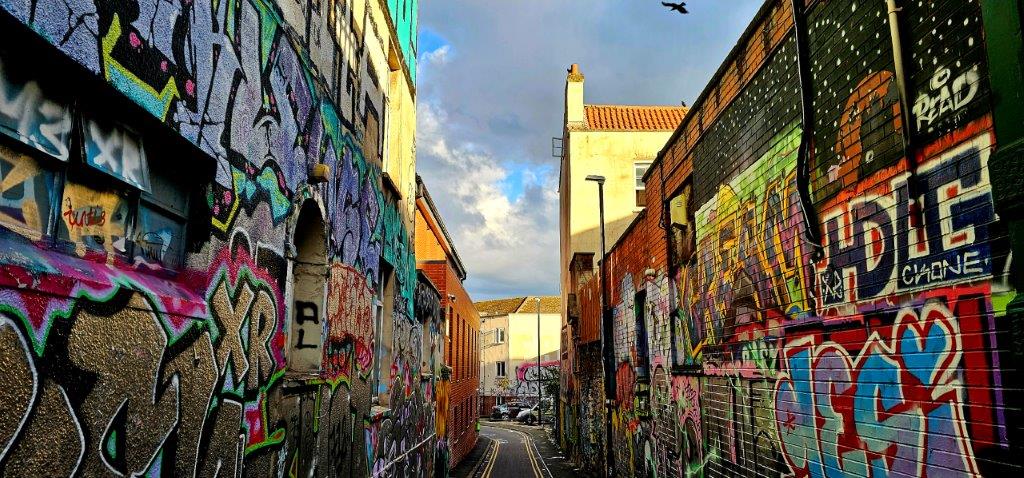
Don’t stick to the main road. The lanes either side are covered in graffiti from pavement to gutter, layered so thickly in places that the walls look almost upholstered. They change constantly, which is half the appeal.
A little history
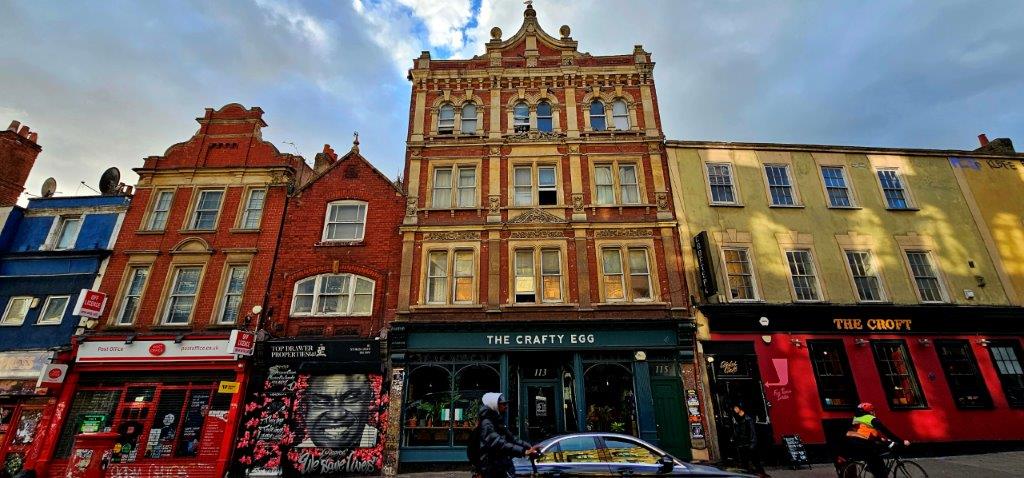
Stokes Croft is one of the oldest routes into Bristol, named after John Stoke, who was mayor of the city three times in the 14th century. Much of what survives is Victorian, including the elaborate Perry’s Carriageworks of 1862. Bomb damage in the Second World War and a long-abandoned plan for a dual carriageway kept developers away for decades, which is exactly why the artists and independents moved in.
A personal footnote
I first came to Stokes Croft in the early eighties. A friend and I were working on the Railway Path Project, mapping out the Three Castles Cycle Route from Cardiff city centre to Merthyr Tydfil, and on the side we ran What’s Happening!, a Cardiff magazine that started out as little more than a fanzine, with him writing and me drawing the illustrations. We came over to visit Venue, Bristol’s answer to Time Out, which had its offices here. They were bigger, cleverer and a good deal more established than we were, and I’m not sure they thought much of a couple of upstarts from across the bridge. We went home determined to raise our game, and I’ve had a soft spot for the place ever since.
Food and drink
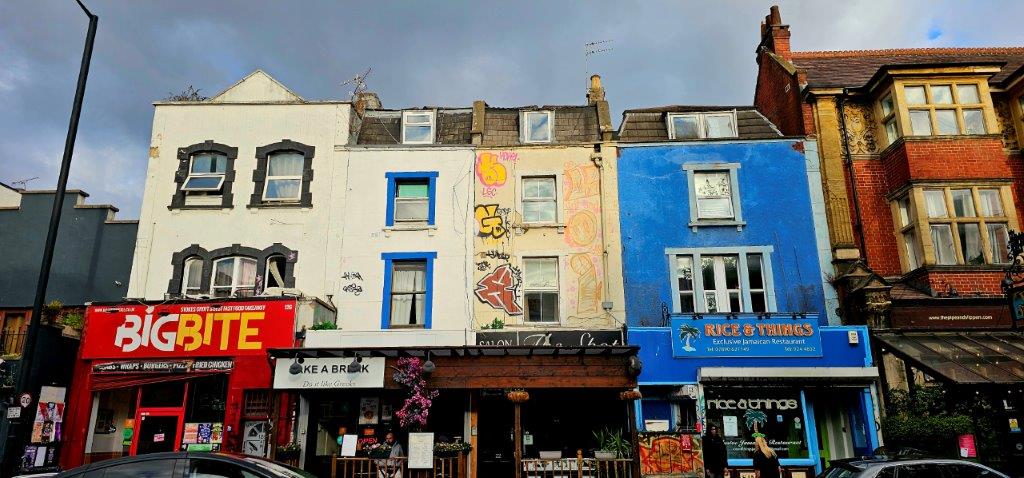
The Croft is a good place to eat well without spending much, and the choice reflects its mix of communities. Within a few doors you’ll find Greek food at Take a Break, Jamaican cooking at Rice and Things, and Cuban food and cocktails at Cafe Cuba, set among a terrace of houses painted orange, purple, sky blue and pink. For a drink, the Full Moon on North Street, one of the oldest buildings in the area, is a natural place to start or finish.
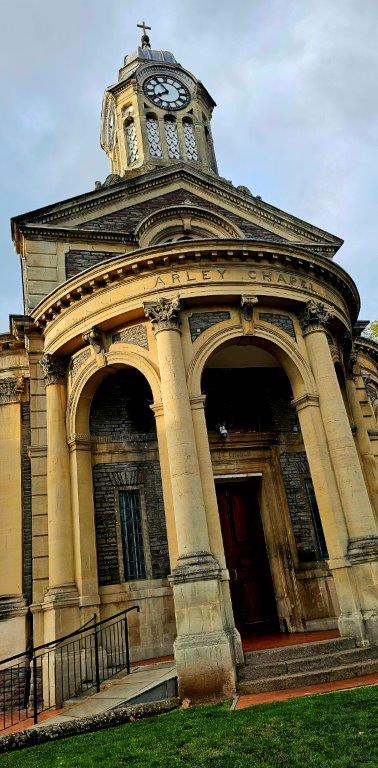
Just up the hill, Arley Chapel, a Grade II listed Congregational chapel built in 1855, is now a Polish Roman Catholic church, another sign of how this part of Bristol keeps reinventing itself.
After dark
Stokes Croft has one of the densest clusters of independent bars, clubs and music venues in Bristol. You can read the week’s line-up on the walls, where every door and hoarding is pasted with posters for club nights, DJ sets and gigs.

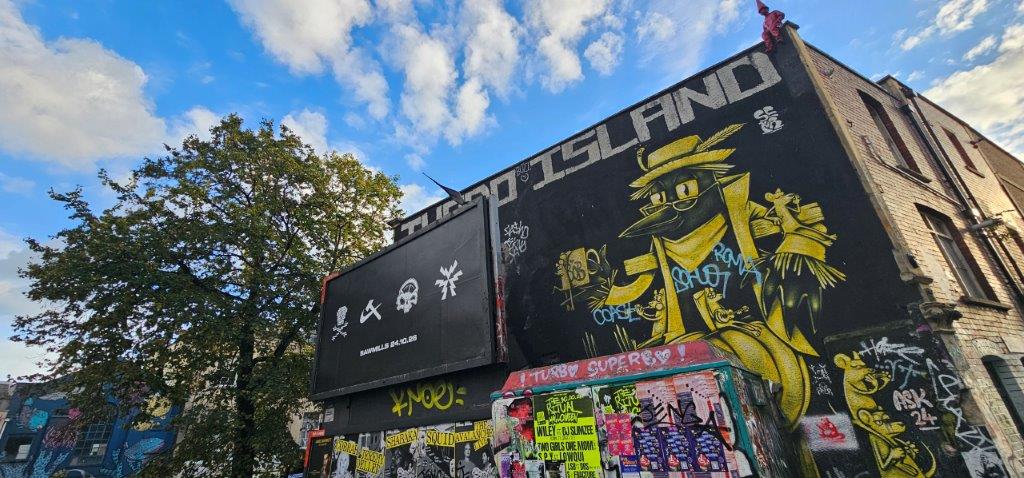
Turbo Island, the scruffy corner where Stokes Croft meets Jamaica Street, has long been a symbol of the area’s independent streak. Its black gable now carries a huge crow in a straw hat, with a gang of rats for company.
Getting there
Stokes Croft starts just north of Broadmead and Cabot Circus, around ten minutes on foot from Bristol’s main shopping streets. From Bristol Temple Meads it’s roughly a 25-minute walk, or a short bus or taxi ride. From Cardiff it’s around an hour by car over the Prince of Wales Bridge, or under an hour by train.
Travel Life Tips!
Go in daylight for the murals and come back after dark for the bars. It feels like two different places.
Wear comfortable shoes and allow two or three hours. Some of the best pieces are tucked away in the side streets.
Check the People’s Republic of Stokes Croft’s listings before you go for art fairs, exhibitions and mug decorating workshops.
Stokes Croft is a lived-in neighbourhood, and some people sleep rough here. Be respectful, and ask before photographing anyone.
Words and photos by Mark Roberts
…
More from Bristol
For a local’s view of the neighbourhood, read our sister title Avon Life’s guide, Stokes Croft: Bristol With The Volume Up.
…